
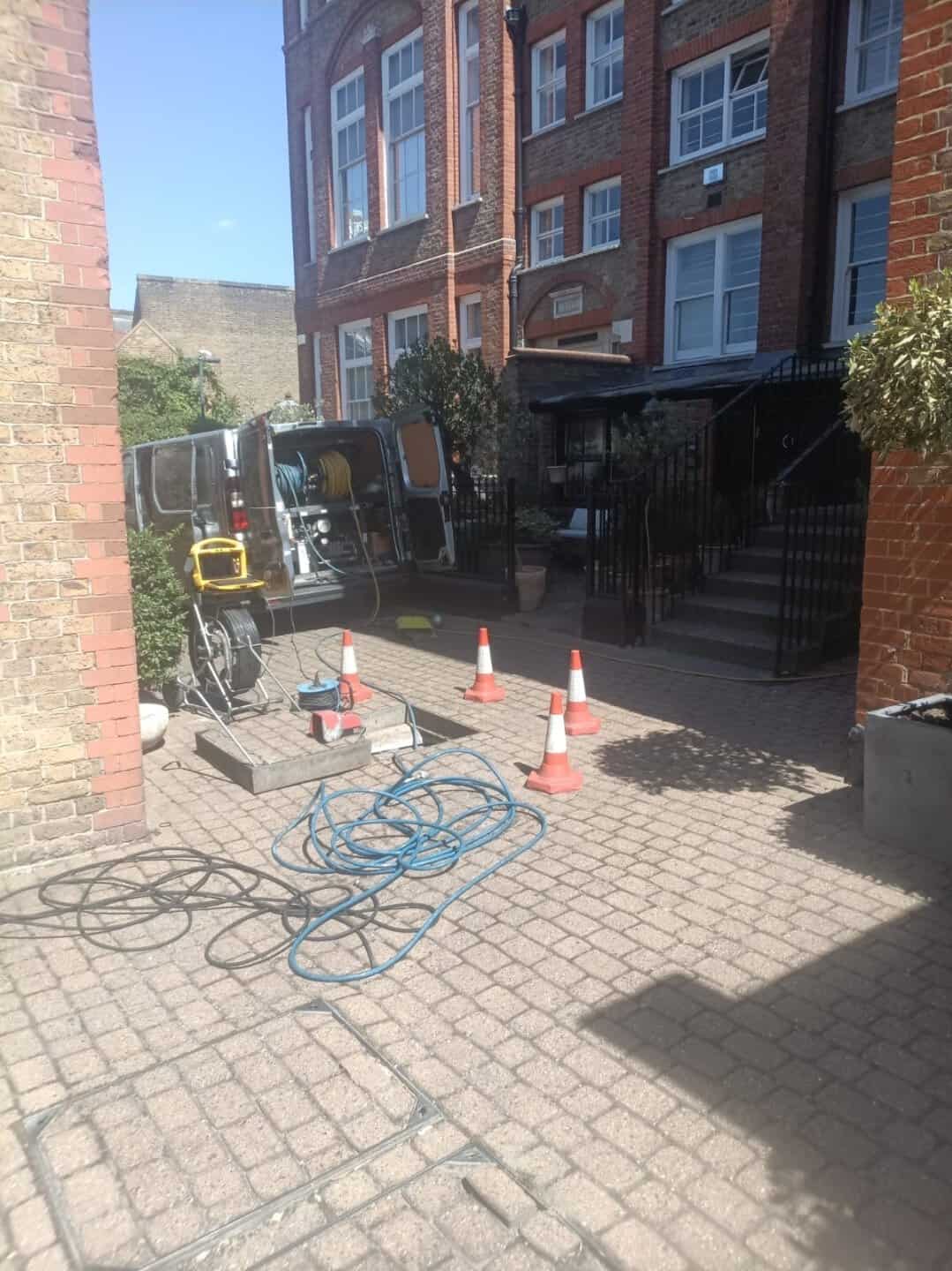
A new driveway, patio, landscaped garden or extension can transform how a property looks and functions. These projects also involve excavation, compacted ground, heavy materials and machinery working above services that are usually out of sight. Underground drains are easy to overlook during planning, yet a damaged pipe beneath a newly completed surface can create disruption that reaches far beyond the original fault.
Arranging a CCTV drain survey before work begins gives you a record of the accessible pipework at the starting point. Repeating the inspection after the project has finished shows whether its visible condition has changed. Together, the two surveys provide useful evidence, help contractors plan with greater awareness and reduce the chance of an existing drainage problem being sealed beneath an expensive new surface.
Underground Drains Can Cross the Main Work Area
Drainage pipes do not always follow the route a homeowner expects. They may cross a front garden beneath a proposed driveway, run along the back of a house where an extension is planned or pass under the position chosen for a new patio. Inspection chamber locations provide clues, but they do not necessarily reveal every branch or alteration.
This uncertainty is more common at older properties. Extensions, converted outbuildings and changes to kitchens or bathrooms may have altered the drainage over several decades. Plans can be incomplete, and an access cover may have been concealed by earlier landscaping. Starting groundworks without current information increases the possibility of uncovering a pipe unexpectedly or placing new construction close to a vulnerable section.
A professional survey allows the engineer to inspect the inside of accessible drains and may help establish their direction. If a precise route is needed for design or excavation, drain tracing can provide further information. The objective is not simply to find a blockage. It is to understand the condition and approximate layout of the system before the project changes the surrounding ground.
A Pre-Work Survey Establishes a Clear Baseline
One of the most useful parts of a pre-work survey is the dated record it creates. The footage can show whether the drain is clear and intact before contractors begin or whether cracks, displaced joints, root ingress, deposits or other concerns are already present. This separates existing faults from changes that may appear later.
Without that baseline, discovering a damaged pipe after the project can lead to uncertainty. A crack may have existed for years, or it may be associated with recent work, but a single survey carried out afterwards cannot normally demonstrate the difference. Before-and-after inspections give the property owner and contractor something meaningful to compare.
The first survey also creates a chance to act at the least disruptive time. If a repair is required beneath the proposed patio or driveway, completing it before the new surface is laid can prevent the frustration of lifting fresh paving. Where the problem is a heavy build-up rather than structural damage, cleaning the drain first can ensure that the post-work inspection has a clear view of the pipe walls.
Why Driveway Installation Can Affect Drainage
Driveway construction commonly involves removing soil or an old surface, preparing the formation, installing sub-base materials and compacting each layer. Excavators, dumpers, compactors and delivery vehicles may pass across the area. Properly installed drains are intended to withstand normal ground loads, but ageing, shallow or previously damaged pipework may be more vulnerable to additional pressure or movement.
The drainage serving the driveway itself also needs consideration. Surface water should be managed appropriately rather than simply directed towards the public highway or allowed to overload an unsuitable drain. The Government’s guidance on permeable surfacing of front gardens explains how permeable surfaces and features such as soakaways or rain gardens can reduce runoff. A CCTV survey has a different purpose, but it complements good project planning by checking the condition of the underground drainage that is already present.
If the pre-work footage identifies a cracked or displaced pipe, the driveway contractor can be told before excavation begins. The problem can then be investigated and, where necessary, repaired while the area is already being prepared. A survey after installation can check the accessible drain again before a small issue develops into a blockage or leak below the completed driveway.
Patios and Landscaping Can Conceal Existing Problems
Patio and landscaping projects may appear less intensive than building an extension, but they can still alter levels and place substantial materials above underground services. New retaining walls, steps, planters and paths often require their own excavations. Soil may be removed or added, and machinery can compact areas that were previously soft garden ground.
An existing drainage fault can remain unnoticed when the pipe continues to carry some flow. A small fracture may admit roots or surrounding material gradually, while a displaced joint can collect waste until recurrent blockages begin. Covering the area with paving makes access more complicated just as the fault becomes more likely to demand attention.
Surveying first helps reveal visible concerns while changes to the layout are still possible. The landscaping team can be made aware of chamber covers and known drainage routes, helping them retain access and avoid placing permanent features where future maintenance would be difficult. Once the work is finished, a second inspection provides evidence of the condition at handover.
Extensions Bring Drainage and Construction Together
An extension requires foundations and can place the new building close to, around or above existing drains. The implications depend on the ownership, depth, condition and route of the pipework as well as the design of the structure. A CCTV inspection is therefore useful evidence, but it is only one part of the process. Architects, structural professionals, Building Control and the relevant water company may all need to be involved.
The survey may reveal that a drain expected to be sound is cracked, has poorly aligned joints or includes a connection not shown on available plans. Finding this before excavation gives the project team time to consider repair, diversion or changes to the design. It is much easier to make an informed decision before foundations have been poured than after walls and floors are complete.
Fresh Drains Ltd offers CCTV drain surveys that can identify visible defects within accessible pipework. If the evidence shows that a pipe has collapsed or cannot be repaired internally, targeted drain excavation may be the appropriate way to replace the damaged section before the extension proceeds.
What the Camera Inspection Can Reveal
During a CCTV survey, a specialist camera is guided through an accessible drain or inspection chamber. The engineer watches the footage and looks for conditions that may affect flow or structural integrity. These can include grease or scale deposits, silt, construction debris, root ingress, cracks, fractures, corrosion, open or displaced joints and partial or complete collapse.
The inspection is non-invasive because the drain does not need to be excavated simply to see inside it. However, it has practical limitations. The camera needs a suitable access point and enough space to pass. A severe blockage or collapse can prevent it reaching the rest of the run, while some small branches may not be accessible using the same equipment. A clear survey should describe what was inspected and any restriction that affected the findings.
Where a problem is discovered, the evidence supports a more proportionate recommendation. A drain that needs cleaning should not be excavated unnecessarily, while a badly collapsed section should not receive repeated temporary unblocking as though it were structurally sound. Accurate information makes it easier to choose between clearance, relining, local repair and replacement.
The Value of the Post-Work Survey
The second survey completes the comparison. It should take place after the relevant excavation, compacting, foundation work and heavy machinery use have finished. Carrying it out promptly means the project is still recent and contractors remain available if the footage reveals something that needs to be discussed.
If the drains remain visibly sound and clear, the post-work footage provides reassurance and a useful property record. If a new problem appears, the earlier survey helps demonstrate that the condition has changed. This does not automatically prove who caused the fault, and complex disputes may require independent or legal advice, but it offers far stronger evidence than memory or assumption.
The post-work inspection can also identify debris that has entered the system during construction. Soil, mortar, concrete residue and other materials should not be allowed into drains, but accidental contamination can occur when chambers are open or work is taking place nearby. Removing it early may prevent a restriction from developing into a complete blockage.
When to Book Each Inspection
The pre-work survey should be arranged once the area and broad project design are known, but before physical work begins. This timing allows the engineer to focus on the relevant drainage and gives the project team an opportunity to respond to any finding. Leaving it until excavation has already started weakens the value of the baseline, although an inspection may still be worthwhile if construction is at an early stage.
Arrange the second survey once the work capable of affecting the drains has ended. For an extension, that usually means after the main groundworks and construction have been completed. For a driveway or patio, it means after excavation, compaction and surfacing. If the project is being completed in phases, discuss the sequence with the drainage engineer because an additional inspection at a critical stage may be helpful.
Keep Drainage Evidence With Your Project Records
Survey footage and any written findings should be stored with plans, invoices, warranties and completion documents. These records may help with future maintenance, later alterations or a property sale. They can also prevent the next contractor from beginning with no knowledge of an unusual connection or known drainage route.
Homeowners should share relevant findings with the person managing the building or landscaping work. A report has little preventative value if it is filed away without the contractor knowing that a pipe crosses the work area. Clear communication before excavation is one of the simplest ways to turn the survey evidence into practical protection.
Frequently Asked Questions
Is a drain survey required by law before landscaping work?
A CCTV drain survey is not generally a legal requirement for ordinary landscaping, but it can be a sensible precaution when excavation, heavy machinery or new hard surfaces will be close to underground drainage. Different planning, Building Regulations and water-company requirements may apply to the wider project. The contractor or designer should advise on those obligations. The survey contributes information about accessible drains; it does not replace permission, technical design or statutory approval.
Should the same company carry out both surveys?
Using the same drainage company can make the process easier because the engineer can refer to the original footage, access points and observations. The important point is that both inspections are properly recorded and cover comparable sections wherever access allows. If different companies are used, retain the complete first survey and make it available before the second visit. Clear dates, pipe references and footage help the later engineer understand what should be compared.
Can a survey guarantee that building work will not damage the drains?
No. A pre-work survey records the visible condition of accessible drainage at a point in time; it cannot prevent damage or guarantee how contractors will carry out the project. Its value lies in revealing existing defects, providing information about the pipework and creating evidence for later comparison. Good construction planning, appropriate permissions, competent contractors and care around underground services remain essential throughout the work.
What if the camera cannot pass through the drain?
The engineer will explain why the inspection could not continue. A blockage may need to be cleared before the survey is repeated, while a collapse or severe deformation may require further investigation from another access point. Occasionally, the layout or lack of a suitable chamber limits the sections that can be viewed. These limitations should be recorded because an incomplete run cannot provide the same reassurance as a survey that reaches the intended endpoint.
Is a survey worthwhile if the project has already started?
Yes, it may still be useful, particularly if the relevant area has not yet been excavated or covered. The footage will not provide a true pre-work baseline for activity that has already taken place, but it can identify the current condition and reveal a problem before access becomes more difficult. Tell the engineer what has been completed, which machinery has been used and what stages remain so the timing and scope can be considered properly.
Protect the Work Above by Checking the Drains Below
Drainage is easy to forget because it is hidden, but a fault beneath a new driveway, patio or extension can be costly to reach. A survey before work establishes the starting condition and may reveal issues while repair is still straightforward. A survey afterwards checks the same accessible pipework again and creates a valuable record of the completed project.
Fresh Drains Ltd provides professional drain surveys before and after building or landscaping work for homeowners, landlords and property professionals. If you are planning an improvement project, contact Fresh Drains Ltd or call 07912 312440 to arrange the first inspection before excavation begins.