

Blocked drains are one of those problems that can quickly go from a minor inconvenience to a major headache. Water backing up in your sink, unpleasant smells, or even flooding can signal a blockage somewhere in the system. But when it comes to fixing the problem, the question often arises: Who is actually responsible for a blocked drain? Is it the homeowner, the local council, or the water company? Understanding where responsibility lies is essential—not only to avoid unnecessary stress but also to ensure the issue is dealt with swiftly and legally. In the UK, the responsibility for drains depends on where the blockage is located and the type of property involved. Let’s explore this in detail.
Understanding the Difference Between Drains and Sewers
Before diving into who is responsible, it’s important to understand the difference between a drain and a sewer. This distinction plays a key role in determining responsibility. A drain is the pipe that carries waste and water away from a single property. It’s usually within the boundaries of your home or garden and connects your sinks, toilets, showers, and appliances to the larger system. A sewer, on the other hand, is a shared pipe that collects waste from multiple properties and transports it to treatment facilities. Once your individual drain connects to a sewer, that section typically falls under the control of the local water authority. There’s also something called a lateral drain, which is the part of the pipe that runs from the edge of your property to the main sewer. Even though it serves just one property, it’s often located outside your boundary, and that changes who is responsible for maintaining it.
Responsibility for Drains Within Your Property
If the blockage is found within the boundary of your property and in a pipe that only serves your home, it’s your responsibility to fix it. This applies whether you’re a homeowner, tenant, or landlord. For example, if your kitchen sink isn’t draining properly and the issue is traced to a build-up in your internal pipes or in the drain that runs directly beneath your property, then you are responsible for resolving the issue. In most cases, this means hiring a professional drainage company to assess and clear the blockage. DIY solutions like plungers and drain cleaning products might help with minor issues, but for more stubborn drain blockages, expert intervention is often needed. It’s also worth noting that if you live in a flat, the terms of your lease may determine whether you’re responsible or if the managing agent or freeholder should take care of the issue.
Responsibility for Shared Drains and Sewers
When the blocked pipe is part of a shared system—such as a sewer or a lateral drain that connects multiple properties—the responsibility usually falls to the local water company. Since 2011, water companies in England and Wales have been legally responsible for maintaining and repairing most shared drains and sewers outside the boundaries of individual properties. So, if a blockage is affecting you and your neighbours, and it’s located in a pipe that serves more than one property or sits beyond your property boundary, your local water authority is typically responsible. In such cases, you can contact your water company, and they should send a team out to investigate and, if needed, carry out the necessary repairs. However, if you’re unsure, it’s a good idea to consult a drainage professional. They can perform a CCTV drain survey to locate the problem and determine exactly where the blockage lies. This will clarify whether it’s your responsibility or the water company’s.
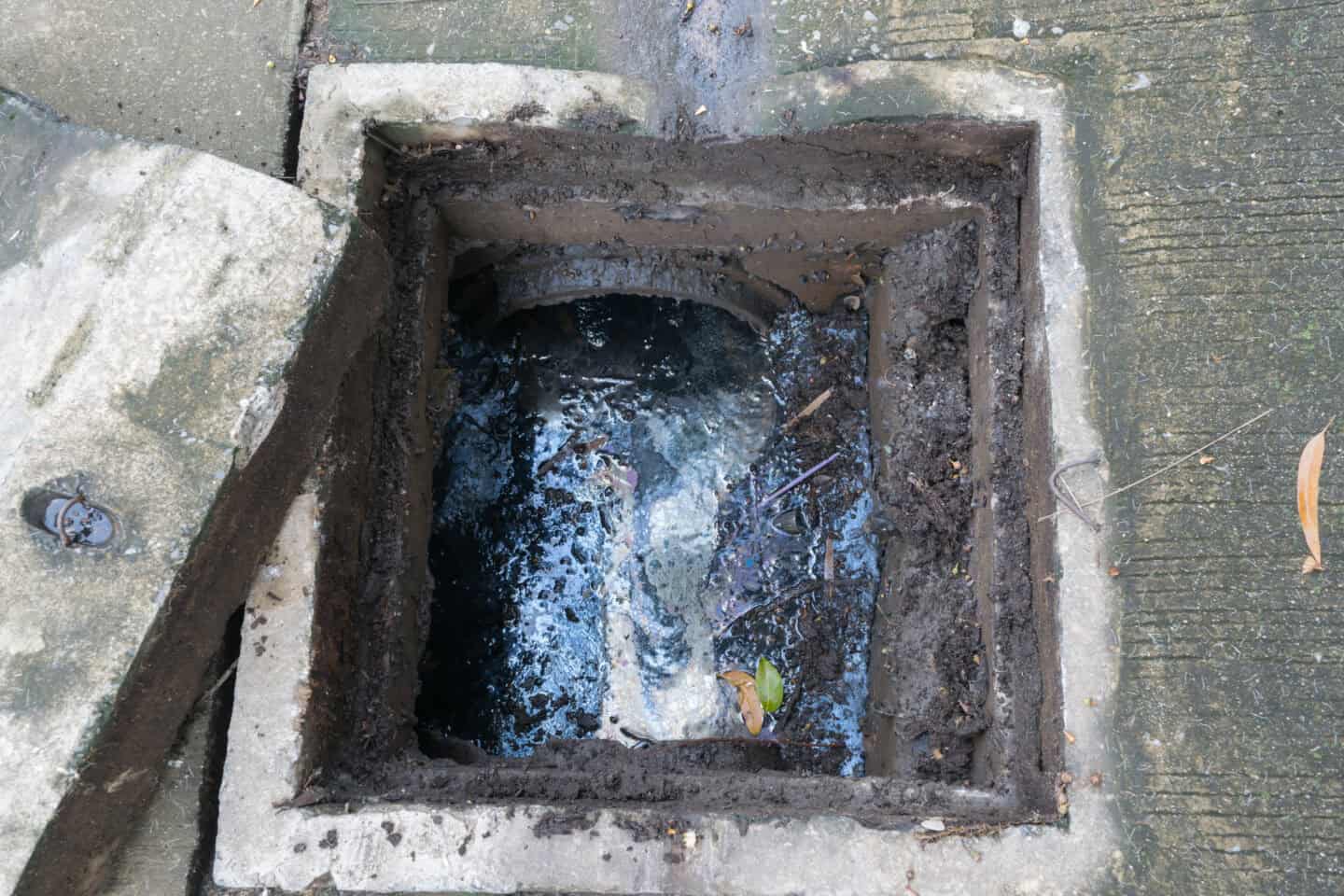
What About Rented Properties?
For tenants, the responsibility for drains is usually outlined in the tenancy agreement. Generally, landlords are responsible for keeping the structure and utilities of a property in good working order, including drainage systems. That means if you’re renting and discover a blocked toilet or a slow-draining sink due to an issue in the pipework, it’s likely the landlord’s responsibility to fix it. However, if the blockage is caused by misuse—such as flushing inappropriate items down the toilet or pouring grease down the sink—the tenant may be held accountable for the damage. In these cases, the landlord might deduct the cost of the repair from the tenant’s deposit or ask them to cover the bill directly. It’s always best for both landlords and tenants to maintain good communication and document any problems and actions taken to avoid disputes down the line.
What If the Blockage Is on Public Land?
If the blocked drain is located on public land, such as a pavement or road, then it’s typically the responsibility of the local council or the water authority, depending on whether it’s a storm drain or part of the main sewer network. For example, blocked road gullies (the grates you see on roadsides) usually fall under the council’s maintenance duties. If you notice flooding or standing water in the street and suspect a blockage in a public drain, you should report it to the local council or your water provider. Most councils have an online form or dedicated phone line for reporting such issues, and they will investigate accordingly.
How to Determine Where the Blockage Is
Determining exactly where the blockage is located is key to figuring out who is responsible. In some cases, the signs may be obvious—if only one part of your home is affected, the problem is probably within your own drain. But if multiple homes in the area are experiencing drainage problems, it could be an issue with the sewer. A professional drainage company can conduct a CCTV drain survey, which involves feeding a small camera into the drain to visually inspect the system. This technology allows engineers to identify the exact location and cause of the blockage. The results can also serve as evidence if you need to involve your landlord, neighbours, or the water company.
Preventing Blocked Drains
While not all blockages can be avoided—especially those caused by structural issues or root intrusion—many are the result of everyday misuse. Taking simple steps can help prevent future problems and save on costly repairs. Avoid pouring fats, oils, or grease down the sink, as these can solidify and cause blockages over time. Use drain strainers to catch hair and food waste. Never flush items like wet wipes, nappies, or sanitary products, even if they claim to be “flushable.” These materials don’t break down like toilet paper and often cause clogs in both private drains and public sewers. Regular maintenance, such as having your drains professionally cleaned every so often, can also go a long way in preventing serious issues.
Who Pays for the Repair Work?
If the blockage is your responsibility—as a homeowner or tenant—you’ll need to cover the cost of fixing it. Prices can vary depending on the severity and location of the problem, but many professional drainage companies offer fixed pricing for common issues like unblocking sinks or toilets. If the water company is responsible, there’s usually no cost to you. They’re legally obligated to maintain the shared parts of the system and carry out necessary repairs. Likewise, if you’re renting, your landlord will typically cover the cost, unless the issue was caused by neglect or improper use on your part. It’s a good idea to check whether your home insurance policy includes drain cover. Some policies do, but many don’t as standard—although you can often add it as an optional extra. Drain cover can help offset the cost of emergency repairs and give you peace of mind in the event of a serious problem.
Final Thoughts
Blocked drains are a common but often confusing issue when it comes to responsibility. Knowing who is responsible can help you act quickly, avoid unnecessary costs, and ensure the problem is resolved by the right party. In short, if the blockage is within your property boundary and only affects your home, it’s your responsibility. If it’s in a shared or public pipe, then the water company or local authority will usually take care of it. For tenants, landlords typically hold responsibility unless misuse is involved. Understanding the layout of your drainage system, reading your tenancy agreement carefully, and calling in professionals when needed can all help clarify the situation and get things flowing again. If in doubt, a CCTV drain survey can provide definitive answers and prevent future headaches. If you’re currently dealing with a blocked drain and aren’t sure who to call, Fresh Drains Ltd is here to help. With expert advice, fast response times, and clear pricing, we’ll guide you through the process and get your drainage system back on track—no stress, no mess.