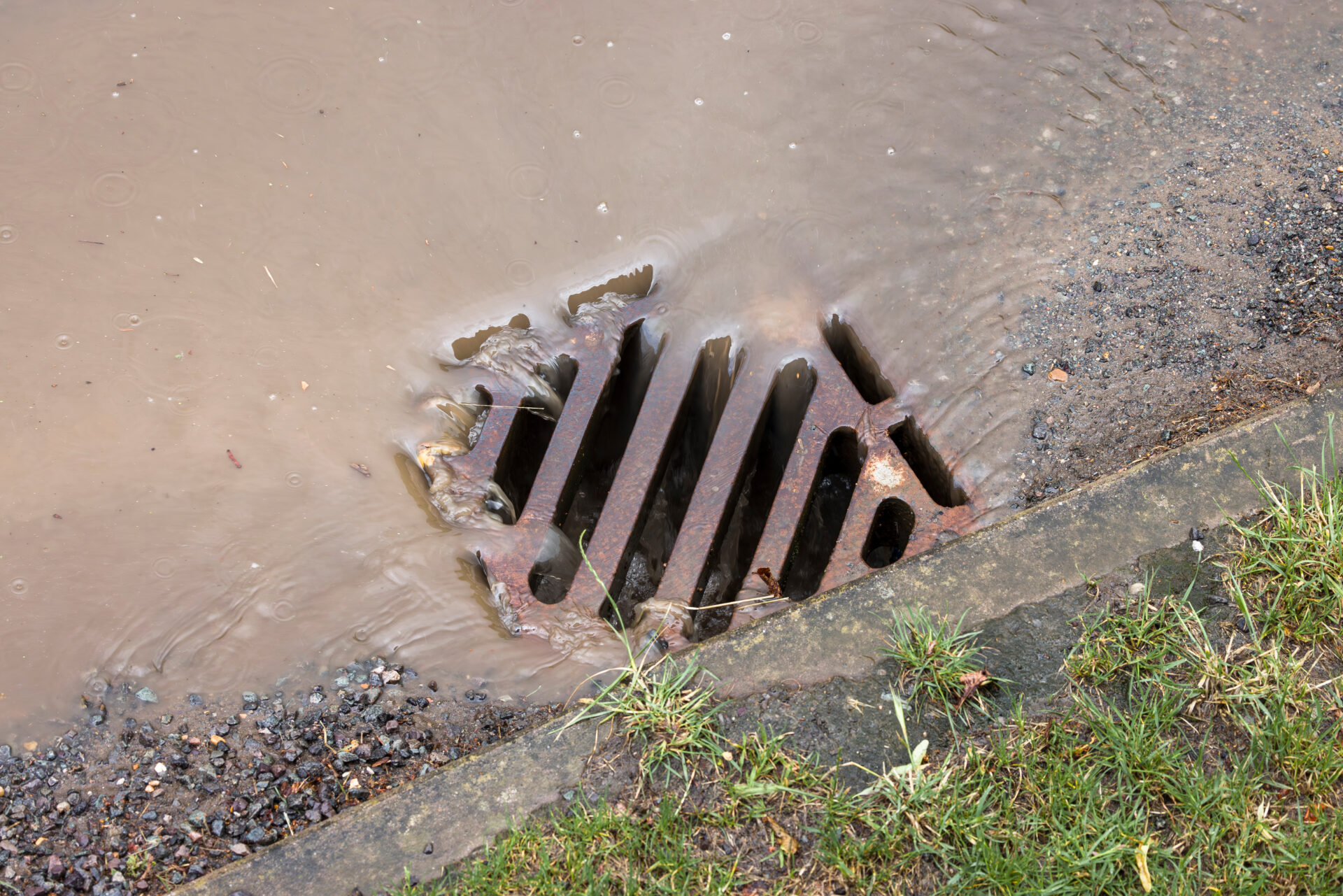
Heavy rainfall places additional pressure on private drains, public sewers, roadside gullies and surface water systems. When rain falls faster than the surrounding ground and drainage network can absorb or carry it, water may begin collecting around properties, roads, gardens and other low-lying areas.
A well-maintained private drainage system cannot prevent every instance of flooding, particularly during exceptional weather. However, clearing existing restrictions and addressing known drainage problems can give rainwater the best possible route away from your property.
Fresh Drains Ltd provides professional drainage services in Balham and throughout South West London. In this article, we explain how homeowners, landlords and businesses can prepare their drains before periods of heavy rainfall and what to do when warning signs begin to appear.
Why Heavy Rain Can Expose Existing Drainage Problems
A drainage system may appear to work normally during dry weather or periods of light use. A partially blocked pipe can still carry a limited amount of water, which means the developing problem may go unnoticed.
Heavy rainfall changes the situation. Surface water enters gullies, channels, downpipes and underground drainage connections much more quickly. If the pipe is already restricted by grease, leaves, silt, scale, roots or structural damage, it may not have enough remaining capacity to handle the increased flow.
Water can then begin pooling around gullies, rising within inspection chambers or returning through low-level outlets. Inside the property, toilets and sinks may gurgle as trapped air is displaced by water struggling to move through the system.
The UK Government explains that surface water flooding occurs when the volume and intensity of rainfall overwhelm local drainage systems. This can happen away from rivers because the immediate issue is the speed at which rainwater reaches and exceeds the capacity of the surrounding drains.
Check External Drains and Gullies Before Rain Arrives
External drains should be inspected regularly, particularly during autumn and before forecast periods of prolonged rainfall. Leaves, soil, litter, moss and garden debris can cover the grating and prevent surface water from entering.
Remove loose material from around the top of the drain where it is safe to do so. Wear suitable gloves and dispose of the debris rather than washing it into another drainage point. Avoid reaching deeply into a drain or lifting heavy covers without appropriate equipment.
Water should enter the gully and disappear without remaining around the grate for a prolonged period. If the drain is already full during dry weather or water rises when another fixture is used, there may be a blockage further into the system.
A professional drainage plumber in Balham can investigate external gullies and determine whether the problem is limited to surface debris or situated within the connected underground pipe.
Clear Gutters and Check Downpipes
Roof gutters collect rainwater and direct it towards downpipes. Leaves, moss, twigs and other debris can prevent water from reaching the outlet, causing it to spill over the edge of the gutter.
Overflowing gutters may saturate walls, collect around foundations and create pools near doors, basement areas or external drainage points. During intense rainfall, even a relatively small restriction can result in a substantial amount of water being discharged in the wrong place.
Gutters should be cleared safely and downpipe outlets checked for visible obstructions. Never work from a ladder unless you have the appropriate equipment, experience and assistance. A professional maintenance provider should be used where gutters are high, difficult to access or unsafe.
The bottom of the downpipe should connect securely to an appropriate drainage point or discharge arrangement. If water is escaping around the connection or the gully overflows whenever it rains, the underground drain may require cleaning.
Look for Slow Drainage Inside the Property
Internal warning signs can provide useful information about the condition of the wider drainage system. Slow sinks, baths and showers may indicate that residue is building up inside individual waste pipes.
Although a slow bathroom fixture might not seem connected to heavy rainfall, several pipes eventually join the wider drainage network. Existing restrictions reduce the overall ability of the system to move wastewater efficiently when water levels increase.
Fresh Drains Ltd provides dedicated services for sink unblocking in Balham, blocked showers and blocked baths. Clearing these problems before severe weather can prevent a partial restriction from becoming a complete blockage at an inconvenient time.
Pay particular attention when several fixtures drain slowly together. This pattern can indicate that the problem is not within an individual trap but further along a shared waste pipe or external drain.
Do Not Put Fats, Oils or Unsuitable Items Into Drains
The condition of a drainage system is influenced by what enters it throughout the year. Cooking fats, grease and oils can cool and solidify inside kitchen waste pipes. Food particles then attach to the deposit and gradually reduce the available space.
Wet wipes, sanitary products, nappies, cotton products and paper towels should not be flushed down toilets. These materials do not break apart in the same way as toilet paper and can become trapped at pipe joints or combine with other waste.
Thames Water advises customers to flush only the three Ps: pee, poo and toilet paper. Fats, oils, wipes and sanitary products should be disposed of through suitable household or commercial waste instead.
This advice becomes particularly important before heavy rainfall. A pipe that is already narrowed by avoidable waste has less capacity to carry additional water and may block more quickly when the drainage network is under pressure.
Consider Preventative Drain Maintenance
Some properties experience repeated blockages because of their age, drainage layout, surrounding trees or level of use. Waiting for each individual blockage to occur can result in repeated emergency callouts and avoidable disruption.
Professional drain maintenance in Balham can include inspecting accessible drainage points, removing accumulated deposits and using high-pressure water jetting where appropriate.
Maintenance is particularly useful for commercial kitchens, shared residential buildings, hospitality venues and other properties with heavily used drainage facilities. Landlords and property managers may also choose to arrange cleaning before winter or known periods of increased occupancy.
A maintenance visit provides an opportunity to identify warning signs before severe weather arrives. If an engineer discovers a damaged pipe or recurring obstruction, further investigation can be arranged while conditions remain manageable.
Investigate Recurring Problems With a CCTV Survey
A drain that blocks repeatedly may have an underlying structural defect. Possible causes include cracked pipes, displaced joints, tree root intrusion, poor gradients or a partially collapsed section.
Clearing the immediate blockage restores the flow but does not repair the damaged pipe. During heavy rainfall, debris can collect around the same defect and recreate the problem.
A CCTV drain survey uses a specialist camera to inspect the interior of underground pipework. The footage can show the position and condition of the fault without opening the ground unnecessarily.
Once the problem has been identified, Fresh Drains Ltd can explain whether cleaning, relining, repair or drain excavation in Balham is appropriate. Excavation is generally reserved for pipes that are severely collapsed, displaced or otherwise unsuitable for a no-dig repair.
Prepare Basement and Lower-Level Areas
Basements, lower-ground flats, sunken entrances and low external doorways can be particularly vulnerable when water begins collecting outside.
Check whether drainage channels around these areas are clear and whether any pumps or protective systems are functioning correctly. Valuable items, electrical equipment and documents should not be stored directly on the floor where there is a known history of water entering.
Wandsworth Council’s flood preparation advice recommends understanding how to turn off water, gas and electricity supplies and checking that buildings and contents insurance provides appropriate flood cover.
Property owners should also understand the limitations of private drainage work. A clear household drain can improve local flow, but it cannot control the capacity of a public sewer or prevent widespread surface water flooding during an extreme event.
Check Commercial Drainage Before Busy Periods
A drainage failure can have an immediate effect on a commercial property. Restaurants may be unable to use kitchen sinks, offices can lose toilet facilities and customer-facing premises may have to restrict access to affected areas.
Businesses should identify which drains and facilities are operationally essential. Known problems should be resolved before forecast storms rather than waiting to see whether the rainfall makes them worse.
Fresh Drains Ltd provides commercial drainage services in Balham for restaurants, cafés, bars, offices, shops, managed buildings and other premises. Support includes urgent blockage clearance, drainage investigations and planned maintenance.
Commercial kitchens should pay particular attention to grease management. Drain strainers should be emptied regularly, food waste kept out of sinks and fats stored for suitable collection or disposal. Staff should know who to contact when water begins draining slowly or a facility becomes unusable.
Know the Signs of an Imminent Drainage Backup
Recognising the early signs of a backup can give you time to stop using connected facilities before wastewater escapes.
Warning signs include several toilets or sinks gurgling simultaneously, water rising inside an inspection chamber, external gullies overflowing and wastewater returning through a bath, shower or floor drain.
When these symptoms appear, stop adding water to the system. Avoid flushing toilets, running taps, using showers or operating washing machines and dishwashers connected to the affected drain.
Keep children and pets away from wastewater and do not enter flooded areas where water may be in contact with electrical equipment. Contact a drainage professional and describe which parts of the property are affected.
What to Do During a Drainage Emergency
If wastewater is entering your property or an external drain is overflowing towards doors and lower-level rooms, professional support should be requested immediately.
Fresh Drains Ltd provides emergency drainage 24/7 callouts in Balham. Our engineers can investigate urgent blockages, overflowing drains and wastewater backups at any time of the day or night.
While waiting for assistance, stop using the affected drainage system and move possessions away from the water where it is safe to do so. Do not pour chemical cleaners into a completely blocked drain, as the product may remain trapped and create a hazard for anyone working on the pipe.
If there is an immediate risk to life, follow emergency service and local authority instructions. Serious flooding extending beyond private drainage should be reported to the relevant council, water company or emergency organisation.
Understand Who Is Responsible for the Problem
The responsibility for a blocked or damaged drain depends on where the issue is situated and which properties the pipe serves.
Property owners are generally responsible for private drains within their boundary that serve only their property. Shared sewers and public drainage systems may be the responsibility of the water company, while roadside gullies are normally managed by the local authority.
The first step is identifying where the restriction or overflow originates. A drainage engineer can inspect private pipework and explain when the issue appears to be outside the customer’s responsibility.
Wandsworth Council advises that some road water may take time to recede after heavy rainfall because the wider system is operating at full capacity. A roadside gully that remains flooded for several hours and appears blocked or damaged can be reported to the council.
Keep Your Drains Ready for Changing Weather
Preparing for heavy rainfall is not limited to checking the weather forecast on the day a storm arrives. Good drainage preparation involves maintaining gutters, keeping external gullies clear, monitoring internal fixtures and investigating repeated blockages before the system is placed under additional pressure.
Fresh Drains Ltd provides comprehensive drainage services in Balham for homes, landlords, businesses and managed properties. From preventative maintenance and fixture unblocking to emergency callouts and underground repairs, our engineers can help keep your drainage system flowing throughout the year.
Contact Fresh Drains Ltd today if you have noticed slow drainage, recurring smells, overflowing gullies or another warning sign that your property may not be ready for the next period of heavy rainfall.