Drains are an essential part of every property, quietly carrying away waste water and keeping our homes, businesses, and streets clean. Most of the time, they work so efficiently that we rarely give them any thought. It is only when something goes wrong – a bad smell, slow drainage, or an unpleasant overflow – that we suddenly appreciate just how vital they are. Well maintained drains are not simply a matter of convenience; they are a key part of protecting both public health and property value.
In the UK, the concept of regular drain maintenance is often overlooked until a problem arises. Yet, looking after your drainage system on a routine basis can save significant time, money, and hassle in the long run. From reducing the risk of blockages to preventing costly repairs, keeping drains in top condition is an investment in the smooth running of any property, whether it’s a private home, a block of flats, or a busy commercial premises.
Why Healthy Drains Matter
A well-functioning drainage system ensures waste water is carried away efficiently, keeping living and working environments clean and hygienic. When drains are neglected, debris, grease, and other waste can accumulate over time, leading to blockages and unpleasant smells. In more severe cases, these obstructions can cause water to back up into sinks, toilets, or floors, creating an unhygienic and potentially hazardous situation.
Healthy drains are also essential for preventing structural issues. Water that cannot flow away properly may seep into the foundations of a building, causing damage to walls, floors, and even the overall stability of the structure. In older UK properties, where pipework may already be more fragile, this risk is particularly significant.
The Impact of Neglect
When drains are not regularly maintained, problems tend to develop gradually, often going unnoticed until they become severe. What starts as a slight restriction in water flow can turn into a complete blockage if debris continues to build up. By the time these symptoms are visible, the blockage may have become deeply embedded in the system, requiring specialist equipment to remove.
Neglected drains can also attract pests. Rats, for example, are known to enter properties through damaged or open drainage systems. Once inside, they can cause significant damage and pose health risks to occupants. Regular inspections and maintenance can spot and address vulnerabilities before they become an open invitation to unwanted visitors.
The Role of Professional Inspections
While some aspects of drain care can be handled by property owners, such as avoiding the disposal of grease or foreign objects down sinks and toilets, professional inspections provide a more thorough level of protection. Drainage engineers in the UK often use CCTV cameras to inspect pipes from the inside, identifying cracks, blockages, or signs of wear before they escalate.
A professional inspection can reveal underlying problems that might otherwise remain hidden. For instance, tree root intrusion is a common issue in properties with older clay pipes. Roots naturally seek out moisture, and tiny cracks in pipework provide the perfect entry point. Left unchecked, these roots can grow and block the entire pipe. Regular inspections ensure such issues are caught early, when solutions are simpler and less costly.
Preventing Blockages Through Regular Cleaning
Cleaning drains regularly is one of the most effective ways to keep them in good working order. Over time, soap residue, hair, grease, food particles, and mineral deposits can build up inside pipes, narrowing their diameter and slowing water flow. In kitchens, grease is a particularly stubborn problem, as it solidifies inside the drain and traps other debris.
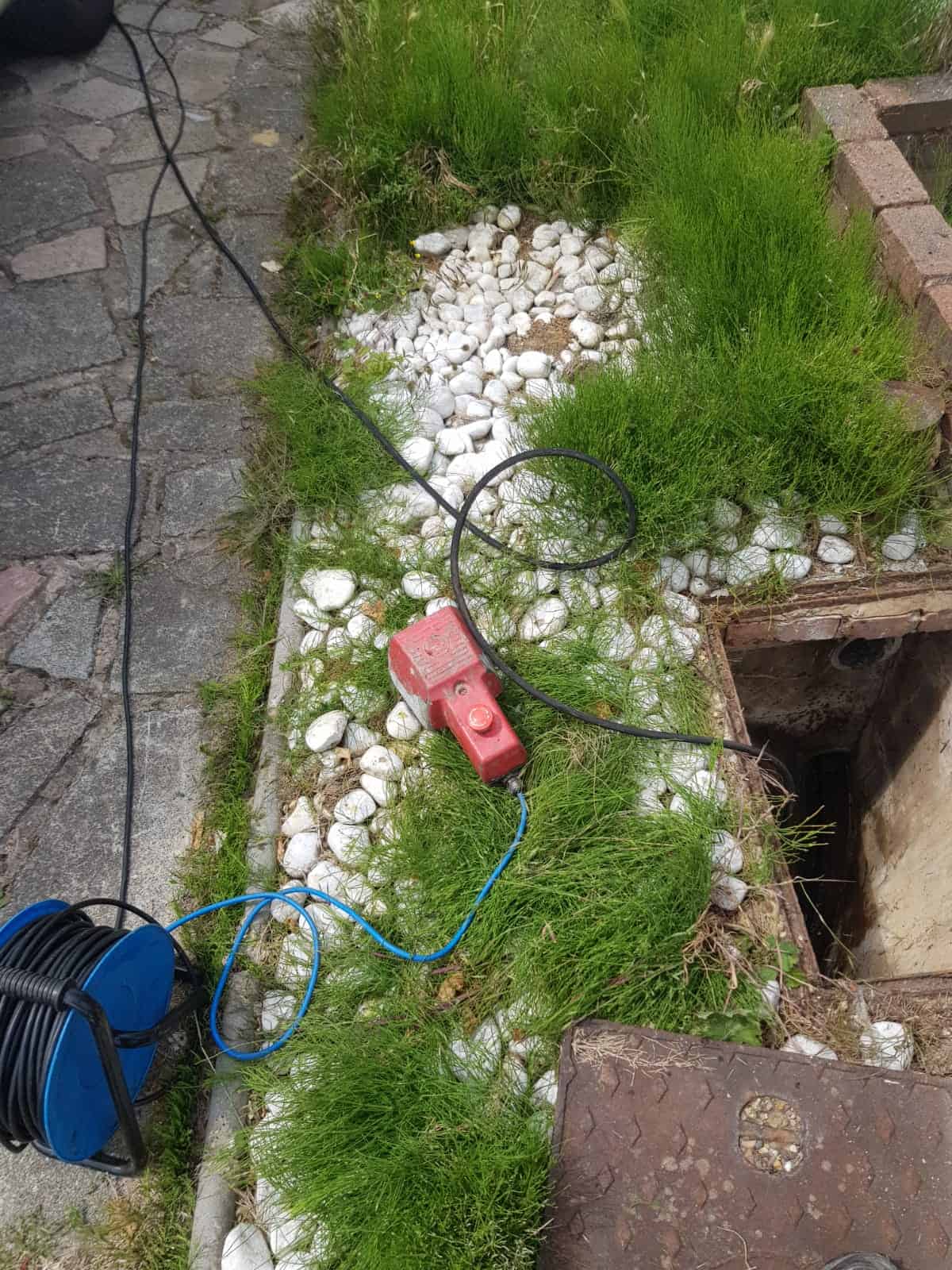
High-pressure water jetting is a popular professional method for cleaning drains. It uses powerful streams of water to break up and flush away debris, leaving the inside of the pipe clear. Unlike chemical cleaners, which can damage older pipes and harm the environment, water jetting is safe, effective, and environmentally friendly.
Protecting the Environment
Well maintained drains are also important from an environmental perspective. Blockages can cause untreated waste water to overflow into gardens, streets, and natural waterways. This not only poses health risks but can also damage ecosystems by introducing pollutants into rivers and streams.
In urban areas, blocked drains can contribute to surface flooding during heavy rainfall. When water cannot flow away quickly, it pools on roads and pavements, creating hazards for pedestrians and drivers. Regular drain maintenance helps keep these systems clear and able to handle sudden influxes of rainwater, reducing the risk of flooding.
Saving Money in the Long Term
One of the biggest advantages of maintaining drains is the financial saving it can offer. Emergency callouts to deal with severe blockages or collapsed drains can be expensive, particularly if they occur outside of normal working hours. In addition, the repair of damaged pipework, replacement of flooring, or remediation of water damage can add thousands of pounds to the cost.
By contrast, routine maintenance is relatively inexpensive. Scheduling regular inspections and cleaning helps identify and resolve small problems before they develop into major issues. For businesses, this preventative approach can also prevent costly downtime caused by plumbing failures.
Drain Care for Different Property Types
The needs of a drainage system can vary significantly depending on the type of property. For homeowners, maintenance may be as simple as avoiding flushing non-biodegradable items, scheduling occasional professional cleaning, and being alert to signs of trouble such as slow drainage or gurgling noises.
For landlords or managers of multiple-occupancy buildings, the demands are greater. Multiple bathrooms, kitchens, and shared facilities place more strain on the system, making frequent inspections essential. Commercial properties, particularly those in the hospitality industry, often face additional challenges due to the large volume of food waste, grease, and other debris entering the drains on a daily basis.
Spotting the Warning Signs
Knowing the early warning signs of drain problems is essential for preventing them from escalating. Slow drainage in sinks, showers, or toilets is often one of the first indicators that a blockage is forming. Unpleasant odours from plugholes or gurgling sounds in the pipes can also signal a problem.
In some cases, water may start to pool around external drains, particularly after rain. This can be a sign that the underground pipework is struggling to cope with the volume of water, possibly due to a partial blockage or structural issue. Addressing these symptoms promptly can prevent more serious problems from developing.
The Importance of Professional Expertise
While there are many drain cleaning products available on the market, they are rarely a substitute for professional expertise. Chemical cleaners may offer a quick fix, but they often fail to address the underlying cause of the problem. In some cases, they can even damage pipes, particularly in older properties.
Professional drainage engineers have access to the tools and training needed to deal with problems safely and effectively. They can also provide tailored advice on maintaining your drains, based on the specific needs of your property and the condition of the existing system.
Final Thoughts
Well maintained drains are essential for the smooth running of any property, whether residential or commercial. They protect health, prevent damage, and save money in the long term. In the UK, where older buildings and varying weather conditions place extra demands on drainage systems, taking a proactive approach to drain care is particularly important.
By investing in regular inspections, professional cleaning, and sensible day-to-day habits, property owners can ensure their drains remain in top condition. Neglecting them, on the other hand, can lead to costly repairs, environmental harm, and unnecessary disruption. The message is simple – look after your drains, and they will look after you.