
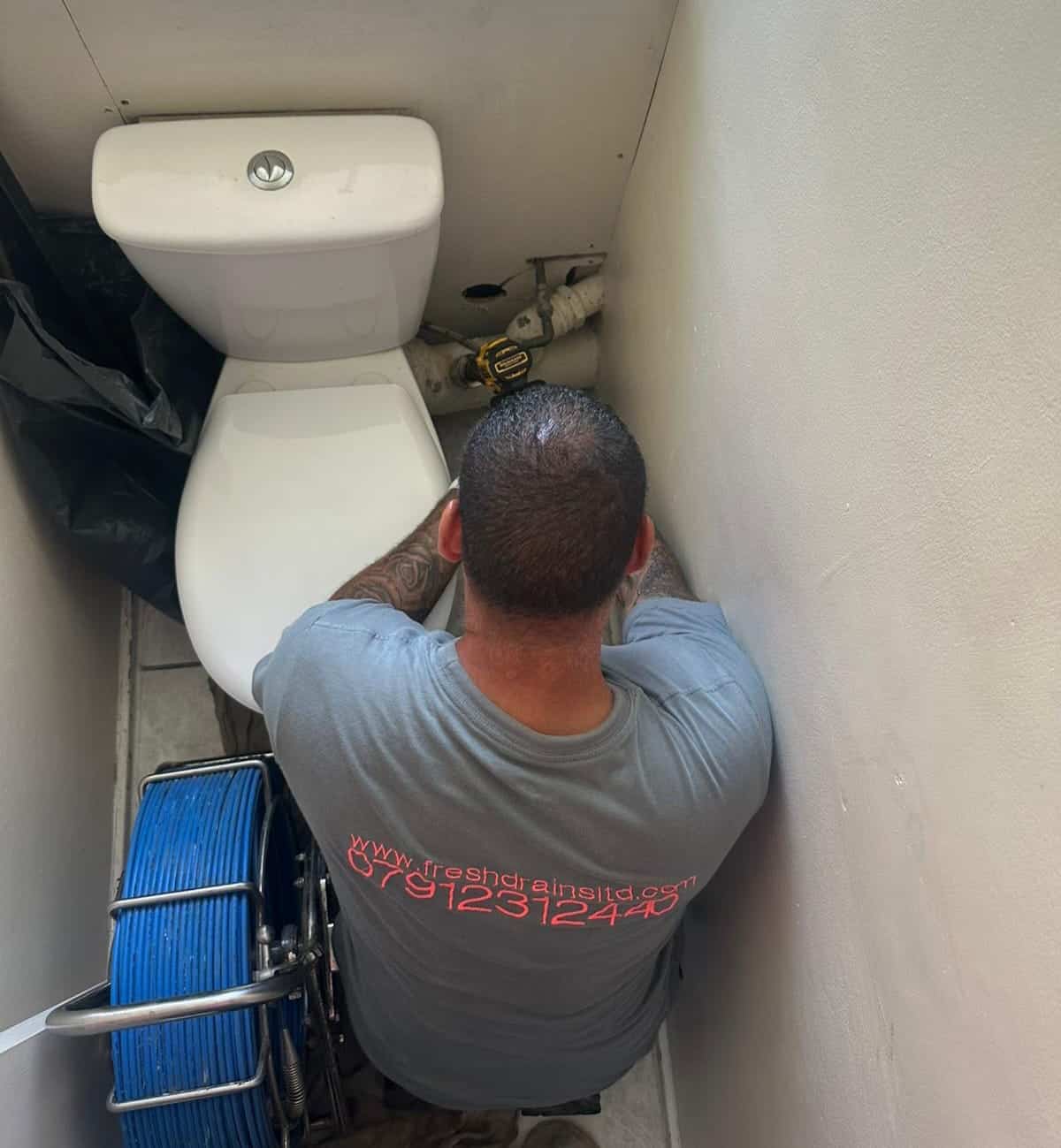
A blocked toilet in the workplace can cause more than just inconvenience. It can disrupt the daily flow of the office, create unpleasant odours, and even lead to health and safety concerns if not dealt with quickly. For office managers, facilities teams, or even employees caught in an awkward situation, knowing how to address the issue is vital. Fixing a blocked office toilet is not always glamorous work, but with the right approach, it can be resolved quickly, minimising downtime and restoring normality for everyone.
In many UK workplaces, commercial blocked toilets are a common occurrence, especially in busy office environments where facilities are used heavily throughout the day. The cause could be as simple as excess toilet paper or as complex as an issue further down the drainage system. Understanding the possible causes and solutions not only helps you respond effectively but also reduces the likelihood of the problem recurring.
Understanding Why Office Toilets Get Blocked
Office toilets experience far more use than those in a typical household. This heavy usage means that even small issues can escalate quickly. Blockages often occur when inappropriate items are flushed, such as sanitary products, wipes, or excessive amounts of paper. In some cases, the cause lies beyond the toilet itself, with issues in the soil stack or external drainage system contributing to the problem. For older buildings, worn or damaged pipework can also play a role, making them more prone to clogs.
Understanding the cause is essential before taking action. If the blockage is localised to one toilet, it may be a straightforward fix. However, if several toilets in the building are affected, the problem may be in the shared waste pipe or further down the line, requiring professional intervention.
The First Step: Assessing the Severity of the Blockage
Before reaching for tools or calling in a professional, it’s important to assess the severity of the problem. If the water in the bowl rises dangerously close to the rim after flushing, avoid trying to flush again. This can prevent an overflow that may lead to water damage in the cubicle or surrounding areas. In some cases, the water level may slowly drop after a few minutes, which could indicate a partial blockage rather than a complete one.
Listening to the sounds the toilet makes can also provide clues. Gurgling noises from nearby sinks or other toilets could suggest a wider drainage issue. Similarly, if other facilities in the office are draining slowly, the blockage may be in a shared pipe rather than in the toilet itself.
Using a Plunger Effectively
If the blockage seems local to a single toilet, a plunger is often the first tool to try. Many offices keep one on hand for minor emergencies, but using it correctly makes all the difference. The plunger cup should fully cover the drain opening in the bottom of the bowl, creating a seal. Pushing down slowly and then pulling up sharply helps to dislodge whatever is causing the obstruction.
It’s best to work in short, controlled motions rather than frantic plunging, as this allows water pressure to build and break apart the blockage. If done correctly, you may notice the water suddenly draining away, indicating that the obstruction has cleared. Afterward, flush once to confirm the water is flowing freely, taking care to monitor the water level in case the blockage persists.
Clearing the Blockage with a Toilet Auger
In situations where the plunger fails to make progress, a toilet auger – sometimes called a closet auger – can be the next option. This tool consists of a flexible metal cable with a coiled end designed to break up or retrieve blockages. It is specifically shaped to navigate the curves of a toilet’s trap without damaging the porcelain.
To use an auger, the cable is fed into the toilet bowl until resistance is felt. Rotating the handle extends the cable further into the waste pipe, where it can either break apart the obstruction or hook it for removal. Once the auger moves freely without resistance, the blockage is likely gone, and the toilet should be tested with a flush.
When the Problem is in the Office Drainage System
If neither plunging nor augering solves the problem, the issue may be deeper in the office drainage system. In commercial buildings, toilets often share large waste pipes that connect to the main sewer line. A blockage here can affect multiple facilities at once and is often caused by a build-up of waste, grease, or foreign objects.
In such cases, professional drainage engineers are usually needed. They have the equipment to locate and clear the blockage effectively, often using high-pressure water jetting to flush debris from the pipes. This method not only removes the immediate obstruction but also cleans the internal walls of the pipes, reducing the risk of future clogs.
The Importance of Acting Quickly
Delaying action on a blocked office toilet can lead to bigger problems. Persistent blockages can cause wastewater to back up into other facilities, potentially creating an unpleasant and unhygienic situation. In some cases, water can leak into walls, floors, or ceilings, leading to costly repairs and even temporary office closures.
By acting quickly, you not only maintain hygiene standards but also avoid the inconvenience of having to shut off facilities for extended periods. This is particularly important in larger workplaces where staff rely heavily on shared toilet facilities.
Preventing Future Blockages
Once the toilet is working again, it’s worth taking steps to prevent the problem from happening again. In many offices, blockages can be reduced by simply educating staff about what should and shouldn’t be flushed. Providing clear signage can be effective, particularly in buildings with frequent visitors or contractors.
Regular maintenance is another key preventative measure. Having a drainage company carry out scheduled inspections and cleaning can help spot developing problems before they become disruptive. In busy offices, periodic high-pressure jetting can keep the pipes clear of build-up, ensuring waste flows smoothly.
Hygiene Considerations When Fixing a Blocked Toilet
Dealing with a blocked toilet, especially in a workplace, requires proper hygiene precautions. Anyone attempting to clear a blockage should wear disposable gloves and, if possible, eye protection. Once the job is done, all tools used should be cleaned and disinfected, and hands should be washed thoroughly.
If sewage has overflowed onto floors, the area should be cleaned with an appropriate disinfectant to reduce the risk of bacteria spreading. In offices, it’s often best to have professional cleaners handle this to ensure it is done to the highest standard.
When to Call a Professional
While some minor blockages can be dealt with in-house, there are times when professional help is the only sensible option. If the blockage is affecting multiple toilets, if there are signs of waste backing up into other drains, or if the same toilet becomes blocked repeatedly, it’s a sign that the problem lies deeper in the system.
Professional drainage engineers not only have the tools to clear the blockage but can also carry out a CCTV drain survey to pinpoint the cause. This can identify issues such as tree root ingress, collapsed pipes, or significant build-ups of scale or grease, allowing for a permanent solution rather than a temporary fix.
Final Thoughts
A blocked office toilet is never a welcome problem, but with the right approach, it can be fixed quickly and effectively. Whether it’s a simple obstruction that can be cleared with a plunger or a more complex issue requiring professional jetting, the key is to act swiftly and appropriately. By understanding the causes, using the correct tools, and maintaining a preventative approach, offices can keep their facilities running smoothly and avoid the disruption that blocked toilets can cause.
While it’s tempting to treat a blockage as a one-off issue, repeated problems are often a sign of something more serious in the drainage system. In such cases, investing in professional diagnosis and repair will save time, money, and hassle in the long run. In the fast-paced environment of an office, reliable and functional toilet facilities are essential – and knowing how to fix a blockage ensures they stay that way.