Drainage problems can strike at the most inconvenient times. From slow-flowing sinks to completely blocked drains, there’s nothing quite as frustrating as water refusing to go where it’s supposed to. For many homeowners, business owners, and property managers across the UK, drain jetting has become the go-to solution when traditional plungers and drain rods simply aren’t up to the task. But how exactly does drain jetting work, and why is it considered one of the most effective methods for clearing stubborn blockages? Let’s take a closer look.
Understanding Drain Jetting
Drain jetting, sometimes called high-pressure water jetting, is a professional drain cleaning method that uses a specialised hose and nozzle to blast water into your drainage system at extremely high pressure. The force of this water is powerful enough to break apart stubborn blockages, remove built-up grease and scale, and flush away debris that may have been lurking in the pipes for years. While it may sound similar to using a garden hose, the technology and pressure involved are on a completely different scale.
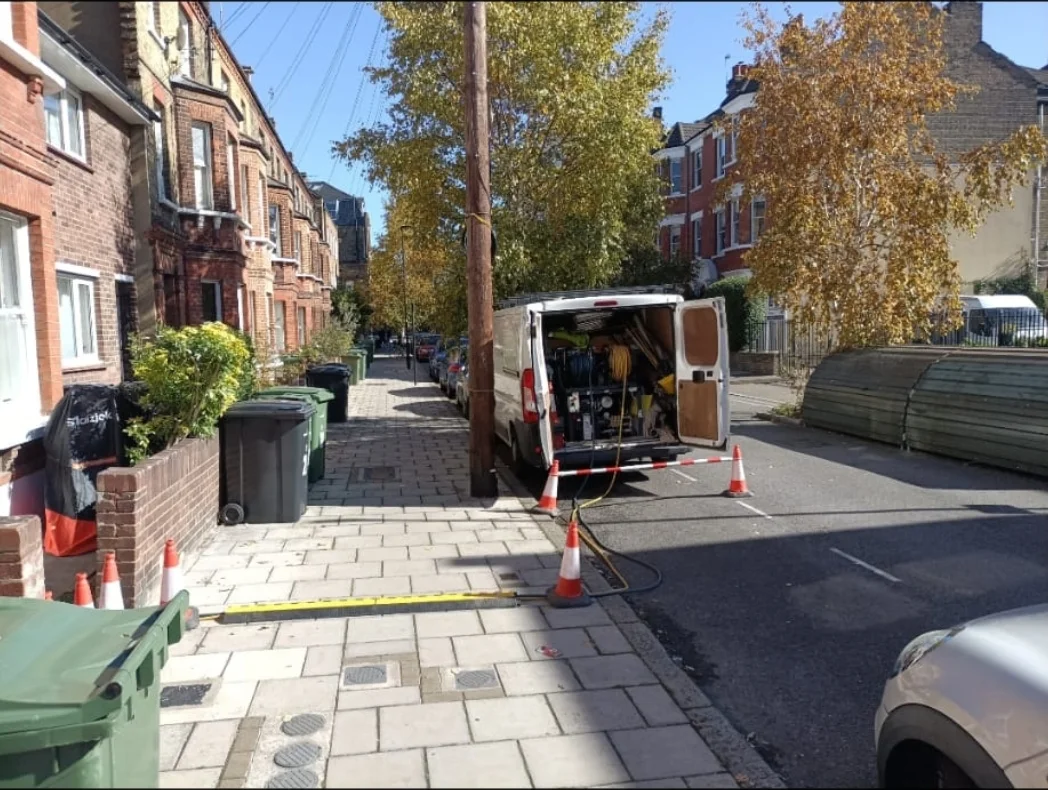
In the UK, drain jetting is typically carried out by trained drainage engineers who use professional-grade equipment mounted to a van. The jetting unit draws water from a tank, propelling it through the hose at pressures that can exceed 3,000 pounds per square inch. This means the water doesn’t just dislodge blockages – it completely clears the pipe walls, restoring the drain to near-new condition.
Why Drain Jetting Is So Effective
The key to drain jetting’s success is its ability to tackle blockages from every angle. Unlike drain rods, which physically push through an obstruction in a relatively straight line, high-pressure water flows around bends, into joints, and through tricky sections of the pipe. This allows the water to clean areas that other tools simply cannot reach.
It’s not just about brute force, either. The nozzles used in drain jetting are designed to create specific spray patterns. Some fire water directly forwards to pierce through dense obstructions, while others have angled jets that point backwards, helping to pull the hose deeper into the drain while simultaneously scrubbing the sides of the pipe. This combination of forward and reverse action ensures the blockage is not only broken apart but also flushed away completely.
The Process of Drain Jetting
When a drainage engineer arrives to carry out drain jetting, the first step is usually to assess the problem. This might involve lifting inspection chamber covers to check for visible blockages or using a CCTV drain camera to get a closer look inside the pipes. Once the location and nature of the blockage are understood, the engineer can select the most appropriate nozzle and pressure setting for the job.
The hose is then fed into the affected drain, and the jetting machine is engaged. Water is blasted into the pipe, with the nozzle working its way through the system. As it moves forward, it breaks apart obstructions such as fat deposits, food waste, silt, tree roots, and other debris. The pressure of the water also washes the dislodged material back towards the manhole or drain access point, where it can be safely removed.
Depending on the severity of the blockage, the engineer may make several passes with the jetting hose to ensure the pipe is completely clean. In most cases, once jetting is complete, water will flow freely through the system again, and any lingering odours from stagnant waste will disappear.
What Types of Blockages Can Drain Jetting Remove?
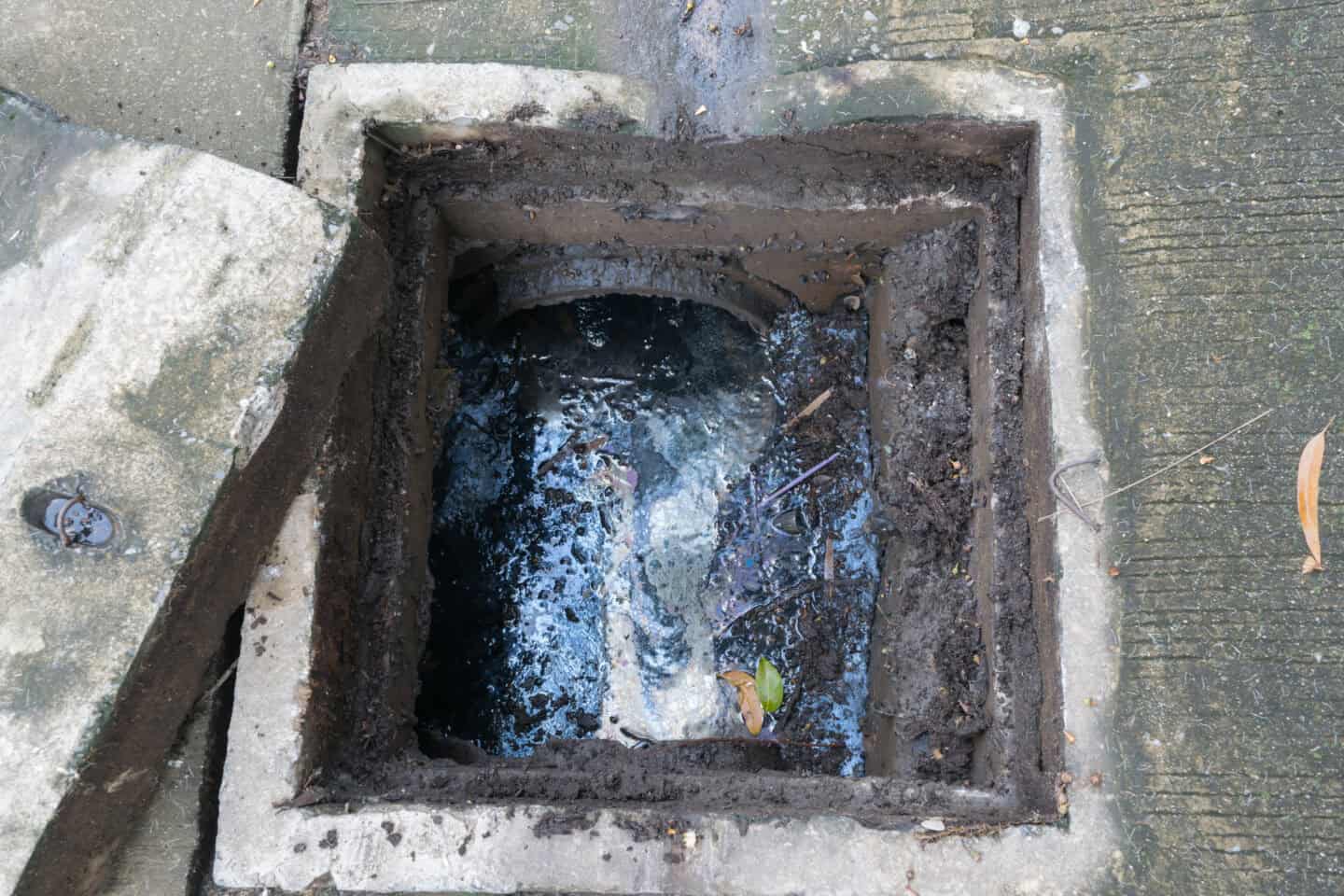
One of the main reasons drain jetting is so popular in the UK is its versatility. It’s capable of clearing almost any kind of blockage, whether caused by everyday use or more unusual circumstances. Grease and fat build-up from kitchen sinks is a common culprit, especially in restaurants and takeaways. Over time, these substances solidify inside the pipes, narrowing the passageway until water can no longer get through. High-pressure jetting not only breaks up the grease but also strips it from the pipe walls to prevent a quick return.
Silt and debris can accumulate in drains that carry rainwater, especially after heavy storms or in areas with lots of leaves and plant matter. Jetting washes this away quickly, reducing the risk of flooding. Tree roots are another frequent issue in older UK drainage systems, where small cracks in clay or concrete pipes allow roots to enter and grow. While jetting won’t kill the roots completely, it can cut through and flush out the immediate obstruction, restoring flow until a longer-term repair can be arranged.
How Drain Jetting Differs from Other Methods
For many years, drain rods were the first choice for clearing blockages. While they still have their place, especially for quick fixes, they have limitations. Rods can sometimes push a blockage further down the pipe rather than removing it entirely. They’re also less effective in pipes with multiple bends or complex layouts, which is common in UK properties, particularly older ones.
Chemical drain cleaners, while available in supermarkets, are rarely recommended by professionals. They may dissolve some organic matter, but they can’t remove grease or mineral scale effectively. They also pose a risk to the environment and can damage older pipes. Drain jetting avoids these problems entirely by using only water – albeit at a pressure strong enough to rival industrial cleaning tools.
Preventing Future Blockages with Drain Jetting
While drain jetting is often used as an emergency solution, it can also be a preventative measure. Many commercial properties, such as hotels, pubs, and restaurants, schedule regular jetting to keep their drains in peak condition and avoid costly downtime from unexpected blockages. Homeowners can also benefit from periodic maintenance, particularly if their property is prone to recurring drainage issues.
By keeping the pipe walls clean and free from build-up, jetting reduces the chances of debris catching and forming new blockages. This not only helps water flow more freely but can also extend the life of the drainage system.
The Safety and Environmental Benefits
One of the major advantages of drain jetting is that it’s safe for the environment. Unlike chemical-based cleaning methods, it doesn’t introduce harmful substances into the water system. The only ingredient is water, and although it’s used at high pressure, it’s carefully controlled by the engineer to avoid damaging the pipework.
Safety for the operator and the property is also a top priority. Professional drainage engineers in the UK are trained to handle high-pressure jetting equipment correctly, ensuring the process is carried out without risk of injury or unnecessary disruption. This is particularly important when working in confined spaces or with older, more fragile drainage systems.
Costs and Considerations
The cost of drain jetting in the UK can vary depending on factors such as location, accessibility, and the severity of the blockage. Emergency callouts tend to be more expensive, especially outside of normal working hours. However, many people find the investment worthwhile due to the speed and effectiveness of the service. A successful jetting session can resolve a blockage in a matter of minutes, saving both time and the potential cost of more invasive repairs.
It’s worth noting that while drain jetting is suitable for most pipe materials, there may be exceptions. Very old or damaged pipes might require a gentler approach to avoid worsening existing cracks or weaknesses. A good drainage engineer will assess the condition of the pipes before starting the process and may recommend alternative methods if necessary.
Choosing the Right Professional
When selecting a drainage company to carry out jetting, it’s wise to choose one with a solid reputation, proper insurance, and experienced engineers. In the UK, many reputable companies are members of industry bodies such as the Water Jetting Association, which sets safety standards and best practices for the industry. Checking reviews and asking for recommendations can also help ensure you choose someone who will carry out the work to a high standard.
Final Thoughts
Drain jetting is one of the most efficient and environmentally friendly ways to clear blocked drains. By using high-pressure water, it can cut through stubborn obstructions, clean pipe walls, and restore flow quickly. It’s versatile enough to handle everything from kitchen grease to invasive tree roots, making it a valuable tool for both domestic and commercial properties.
While it’s possible to attempt some minor drain unblocking yourself, the power and precision of professional jetting equipment mean it’s best left to trained engineers. In the hands of an expert, drain jetting can not only resolve urgent blockages but also help prevent them from returning, keeping your drainage system running smoothly for years to come.